).png)
The Rise of AI in Hospitality Design: Smarter Furniture, Better Experiences
- Home Staging Portugal
- Jul 23, 2025
- 7 min read
Introduction: Reconnecting Guests with Nature
In an increasingly urbanized world, travelers often find themselves disconnected from nature, spending countless hours in concrete jungles and sterile environments. The hospitality industry has recognized this growing need for natural connection, leading to the emergence of biophilic design as a transformative approach to hotel interiors. Biophilic design, rooted in our innate affinity for nature, goes beyond mere aesthetics to create environments that fundamentally improve human wellbeing through thoughtful integration of natural elements.
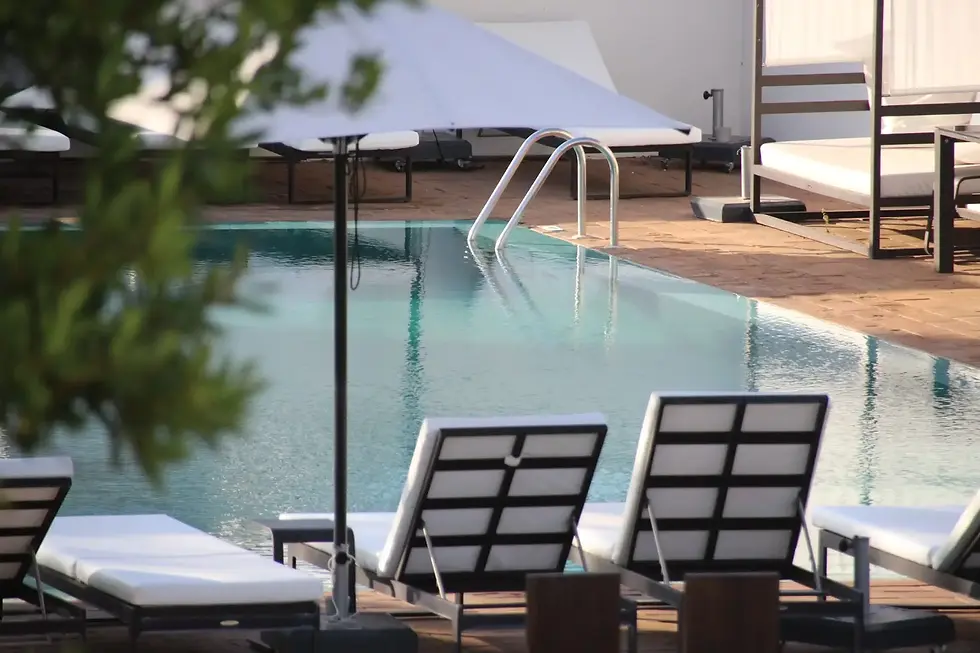
Hotel furniture plays a pivotal role in this design philosophy, serving as the primary touchpoint between guests and their accommodation experience. When furniture incorporates biophilic principles, it becomes more than functional pieces, it transforms into wellness-enhancing elements that can reduce stress, improve sleep quality, and create memorable experiences that keep guests returning.
Understanding Biophilic Design Principles in Hospitality
The Science Behind Biophilia
Biophilic design is grounded in scientific research demonstrating that humans possess an evolutionary connection to nature. Studies have consistently shown that exposure to natural elements can lower cortisol levels, reduce blood pressure, and improve cognitive function. In hotel environments, where guests often experience travel stress and jet lag, these benefits become particularly valuable.
The concept extends beyond simply placing plants in rooms. True biophilic design integrates natural materials, organic forms, natural lighting patterns, and even subtle references to natural processes into the built environment. When applied to furniture design, this means selecting pieces that embody these principles while maintaining the durability and functionality required in hospitality settings.
Key Elements of Biophilic Furniture Design
Successful biophilic furniture design incorporates several core elements. Natural materials such as reclaimed wood, bamboo, rattan, and stone create immediate connections to the outdoors. Organic shapes that mirror forms found in nature curved edges reminiscent of river stones, branching patterns similar to tree limbs, or flowing lines that echo natural landscapes, create subconscious comfort.
Texture plays an equally important role, with materials that invite touch and provide sensory variety. Natural fiber upholstery, hand-carved wooden details, and woven elements all contribute to a more engaging, nature-inspired experience that guests can both see and feel.
The Psychology of Natural Materials in Guest Spaces
Creating Emotional Connections Through Material Selection
The materials used in hotel furniture have profound psychological impacts on guests. Wood, particularly when its natural grain and texture are preserved, evokes feelings of warmth, security, and grounding. Different wood species can create varying emotional responses, lighter woods like maple and birch promote energy and clarity, while darker woods such as walnut and mahogany provide feelings of stability and luxury.
Stone elements in furniture, whether as tabletops, accents, or structural components, connect guests to the earth's foundational elements. The cool touch of marble, the organic texture of slate, or the warm presence of sandstone each contribute unique sensory experiences that enhance the overall biophilic effect.
Natural fibers in upholstery and soft furnishings, linen, cotton, wool, and silk, not only provide superior comfort but also regulate temperature and moisture naturally, contributing to better sleep quality and overall comfort during stays.
Reducing Stress Through Organic Forms
Research in environmental psychology has demonstrated that organic, nature-inspired forms in furniture design can significantly reduce stress responses. Angular, geometric furniture can create subtle psychological tension, while curved, flowing designs promote relaxation and ease. Hotel furniture that incorporates gentle curves, asymmetrical balance reminiscent of natural growth patterns, and soft transitions between elements helps create environments where guests naturally feel more at peace.
This is particularly important in hotel settings where guests may arrive stressed from travel, work pressures, or unfamiliar environments. Furniture that subconsciously reminds them of peaceful natural settings can facilitate faster relaxation and adjustment to their temporary space.

Practical Applications: From Lobby to Suite
Lobby and Common Area Implementations
Hotel lobbies serve as the first impression and primary gathering spaces, making them ideal locations for impactful biophilic furniture installations. Large communal seating areas can incorporate live-edge wooden tables that showcase natural wood grain patterns, complemented by seating upholstered in natural fabrics with earth-tone color palettes.
Lobby furniture can also include living elements such as built-in planters integrated into seating arrangements, or tables with spaces designed to accommodate potted plants. Water features incorporated into furniture design, such as coffee tables with integrated fountains or side tables with small water elements, add the calming sound of moving water while maintaining functionality.
Statement pieces such as reception desks crafted from single slabs of reclaimed wood or natural stone create immediate visual impact while establishing the hotel's commitment to biophilic design principles. These pieces often become conversation starters and memorable elements that guests associate with their stay experience.
Guest Room Furniture Strategies
In guest rooms, biophilic furniture design must balance natural elements with practical hospitality requirements. Headboards crafted from reclaimed wood or featuring woven natural materials create focal points that connect guests to nature while they rest. Bedside tables with live-edge details or stone accents maintain the natural theme while providing necessary functionality.
Seating areas can incorporate chairs with organic curves and natural material upholstery, paired with tables featuring natural stone tops or wood with visible grain patterns. Window-adjacent furniture should maximize views of outdoor natural elements when available, or incorporate design elements that suggest natural vistas when urban views dominate.
Storage solutions can embrace biophilic principles through the use of woven baskets, wooden organizers with natural finishes, or built-in storage that incorporates living plant elements safely and hygienically.
Health and Wellness Benefits
Improved Sleep Quality Through Natural Environments
Sleep quality represents one of the most measurable benefits of biophilic design in hotel guest rooms. Natural materials in furniture contribute to better sleep through several mechanisms. Wood furniture helps regulate humidity naturally, creating more comfortable sleeping environments. Natural fiber mattresses and bedding materials provide better temperature regulation and moisture-wicking properties than synthetic alternatives.
The visual presence of natural materials and organic forms has been shown to reduce the time needed to fall asleep and improve overall sleep quality. Guests surrounded by biophilic furniture elements report feeling more rested and refreshed upon waking, leading to higher satisfaction scores and increased likelihood of return visits.
Stress Reduction and Mental Health Benefits
Extended stays in environments dominated by synthetic materials and artificial lighting can contribute to what researchers term "nature deficit disorder." Biophilic furniture helps counteract these effects by providing constant, subtle connections to natural elements throughout guests' stays.
The psychological benefits extend beyond stress reduction to include improved mood, enhanced creativity, and better cognitive function. Business travelers often report feeling more productive and less fatigued when staying in rooms with strong biophilic design elements, while leisure travelers describe feeling more relaxed and rejuvenated.
Implementation Challenges and Solutions
Balancing Durability with Natural Materials
Hospitality environments demand furniture that withstands heavy use while maintaining appearance over time. Natural materials require careful selection and treatment to meet these demands. Hardwoods like oak, maple, or teak provide excellent durability when properly finished, while softer woods can be reserved for decorative elements or low-wear applications.
Protective treatments that preserve natural appearance while providing necessary durability include low-VOC finishes that maintain wood's natural breathability and water-based sealers that don't obscure natural grain patterns. Regular maintenance protocols specific to natural materials help preserve their appearance and extend their lifespan in commercial applications.
Cost Considerations and Return on Investment
While biophilic furniture often requires higher initial investment than conventional alternatives, the return on investment becomes evident through improved guest satisfaction scores, increased repeat bookings, and premium room rates that eco-conscious travelers willingly pay.
Phased implementation strategies allow hotels to gradually incorporate biophilic elements, starting with high-impact areas like lobbies and premium suites before expanding to standard rooms. This approach spreads costs over time while allowing properties to measure guest response and refine their biophilic design approach.

Future Trends and Innovations
Technology Integration with Natural Elements
Emerging trends in biophilic hotel furniture include integration of technology that enhances rather than detracts from natural connections. Smart furniture pieces that incorporate natural materials while providing technological functionality, such as wooden charging stations with integrated wireless charging or natural stone surfaces with embedded LED lighting that mimics natural light patterns, represent the evolution of biophilic design.
Living furniture concepts, where furniture pieces incorporate actual living plants as functional elements, are gaining popularity in luxury hospitality settings. These innovations require careful consideration of maintenance requirements and guest safety but offer unparalleled biophilic experiences.
Sustainable Sourcing and Circular Design
Future biophilic furniture design increasingly emphasizes sustainable sourcing and circular design principles. Furniture made from rapidly renewable materials like bamboo, recycled ocean plastics formed into nature-inspired shapes, and modular designs that allow for easy updating and reconfiguration align with both biophilic principles and environmental responsibility.
Conclusion: Creating Lasting Connections Through Design
Biophilic design in hotel furniture represents more than a design trend, it addresses fundamental human needs for connection with nature that become particularly acute during travel. Hotels that successfully integrate these principles create environments where guests feel inherently more comfortable, rested, and satisfied with their stay experience.
The investment in biophilic furniture design pays dividends through improved guest wellbeing, higher satisfaction scores, and the creation of memorable experiences that encourage repeat visits and positive recommendations. As the hospitality industry continues to evolve, properties that embrace biophilic design principles position themselves at the forefront of guest-centered design innovation.
The future of hotel furniture lies in this thoughtful integration of natural elements with functional design, creating spaces that don't just shelter guests but actively contribute to their physical and mental wellbeing. Through biophilic design, hotels can offer more than accommodation, they can provide restoration, rejuvenation, and reconnection with the natural world that increasingly busy travelers desperately need.



Comments