).png)
Behind the Design: How Guest Psychology Shapes Hotel Furniture Choices
- Home Staging Portugal
- Jul 1, 2025
- 2 min read
Updated: Jul 10, 2025
When travelers step into a hotel room, they bring more than just their luggage they bring expectations, emotions, and psychological needs. The way furniture is designed and arranged can deeply impact how guests feel, behave, and perceive the space. That’s where the fascinating intersection of hospitality design and guest psychology comes in.
Comfort = Loyalty
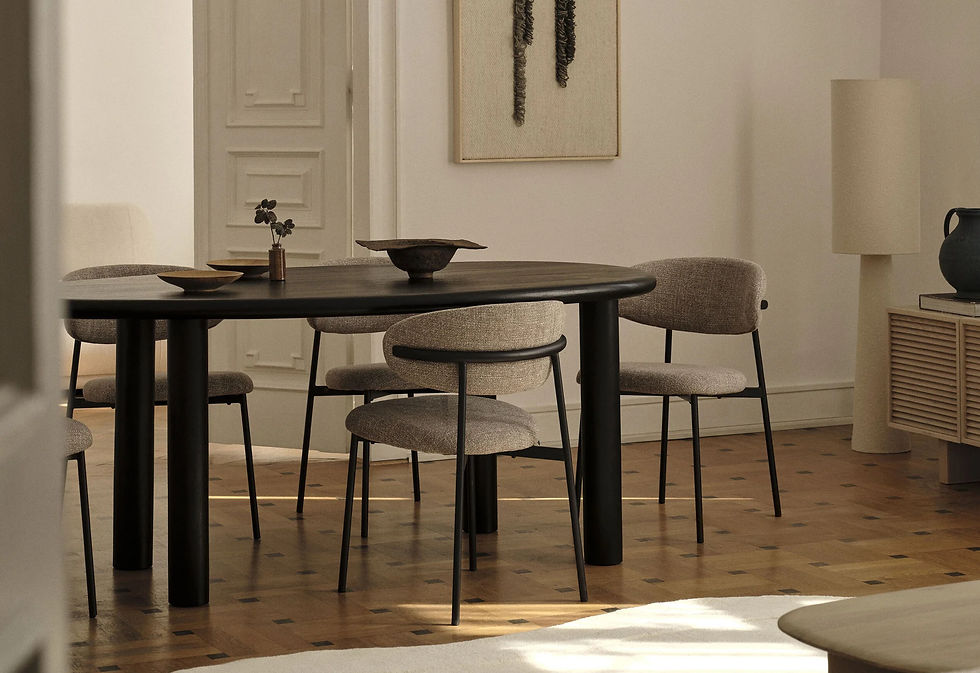
From the firmness of a chair cushion to the height of a work desk, psychological comfort plays a central role in hotel furniture design. Research shows that when guests feel physically and emotionally at ease, they are more likely to return. A well-cushioned reading chair by the window or a thoughtfully placed bench near the bed can create moments of calm that resonate.
Design Tip: Rounded edges on tables and chairs promote a sense of psychological safety, unlike sharp-angled furniture which may feel aggressive.
Color and Mood
Color psychology is another critical aspect. Soft, neutral tones often communicate cleanliness and calm, while bold accents add energy and brand identity. Furniture hues should align with the emotional tone the hotel wants to convey be it relaxation, creativity, or sophistication.
Cultural Considerations
Different cultures have different expectations of space and comfort. For instance, a sofa that feels inviting in Scandinavia might seem too minimal for guests from the Middle East. Understanding the target demographics helps designers choose furniture that resonates across cultural contexts.
Sensory Experience
It’s not just about visuals sound-absorbing upholstery, tactile surfaces like velvet or natural wood, and even subtle scents from wooden finishes contribute to guest perception.
Layout and Flow
The layout affects how guests interact with the room. Is it intuitive? Does it promote relaxation or productivity? Is the path from door to bed free of obstacles? Furniture placement can subtly guide behavior, encouraging guests to unwind, work, or socialize.

Case Study Highlight
Westin Hotels' “Heavenly Bed” is a great example of using guest psychology to drive loyalty. The bed’s design, from pillow composition to mattress firmness, has been studied and refined based on guest feedback and behavioral psychology.
By designing furniture with guest psychology in mind, hotels can create a space that doesn’t just look good it feels right.


Comments